How Renown and Prestige Work in Crusader Kings 3
Renown and prestige are two of the most important resources in CK3, and they’re easy to confuse. They sound similar, they’re both earned through your actions, and they both unlock things. But they’re completely different systems with different purposes. Here’s how they actually work.
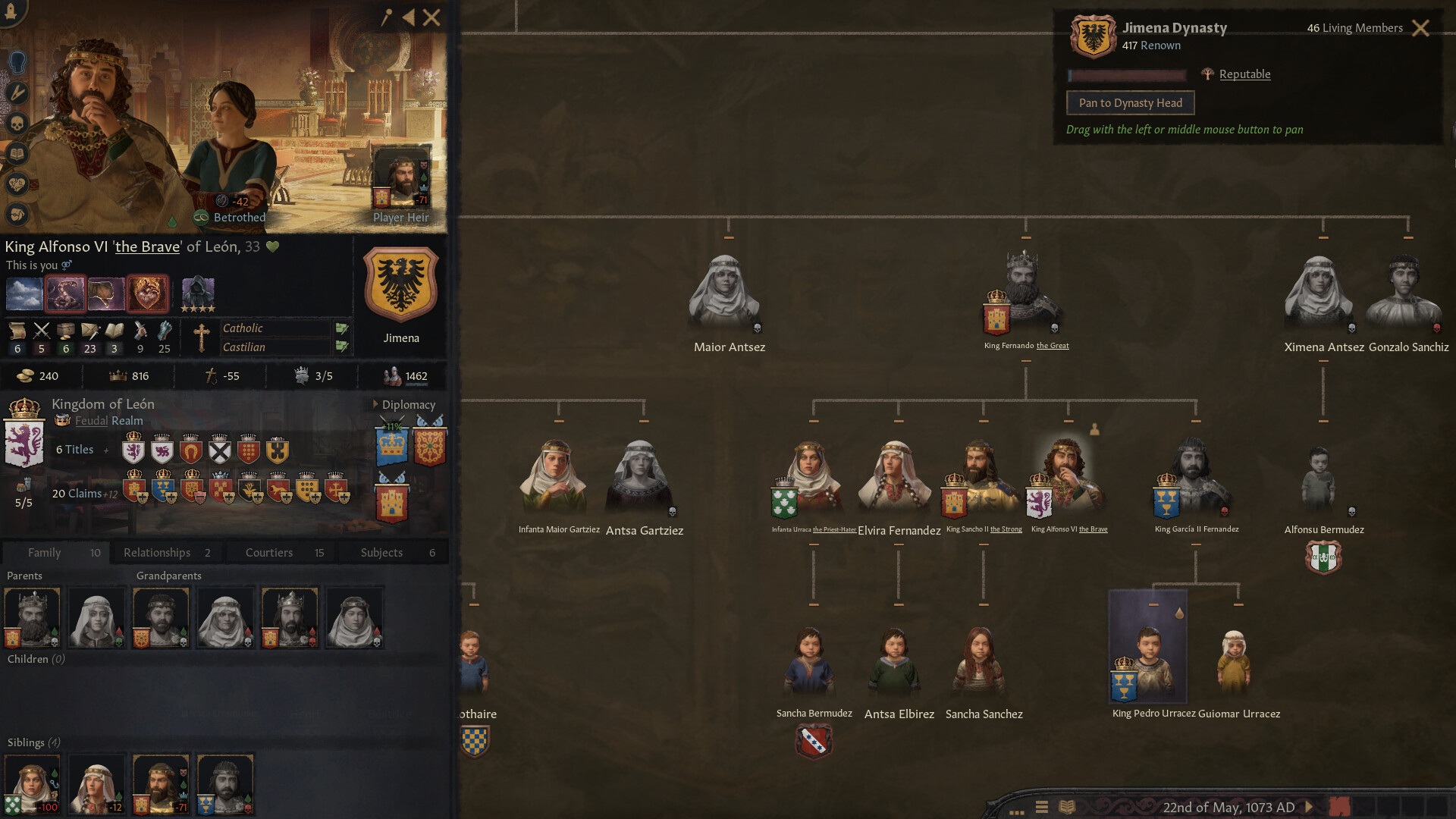
Source: Paradox Interactive / Crusader Kings III official screenshots Renown is the engine of long-term dynasty growth, so pair this with the succession laws guide and the best starting character guide to see how it plays out campaign by campaign.
Prestige: The Personal Resource
Prestige is your character’s personal reputation. It’s earned through your actions: winning wars, hosting feasts, holding grand events, and generally being a successful ruler. It’s spent on:
- Men-at-arms: you need prestige to hire and maintain elite troops
- Casus bellis: declaring wars costs prestige
- Decisions: many decisions have a prestige cost
- Court actions: some court interactions cost prestige
Prestige is a short-term resource. It’s tied to your current character, and when they die, their prestige is gone. Your heir starts fresh (though they inherit some based on your legacy).
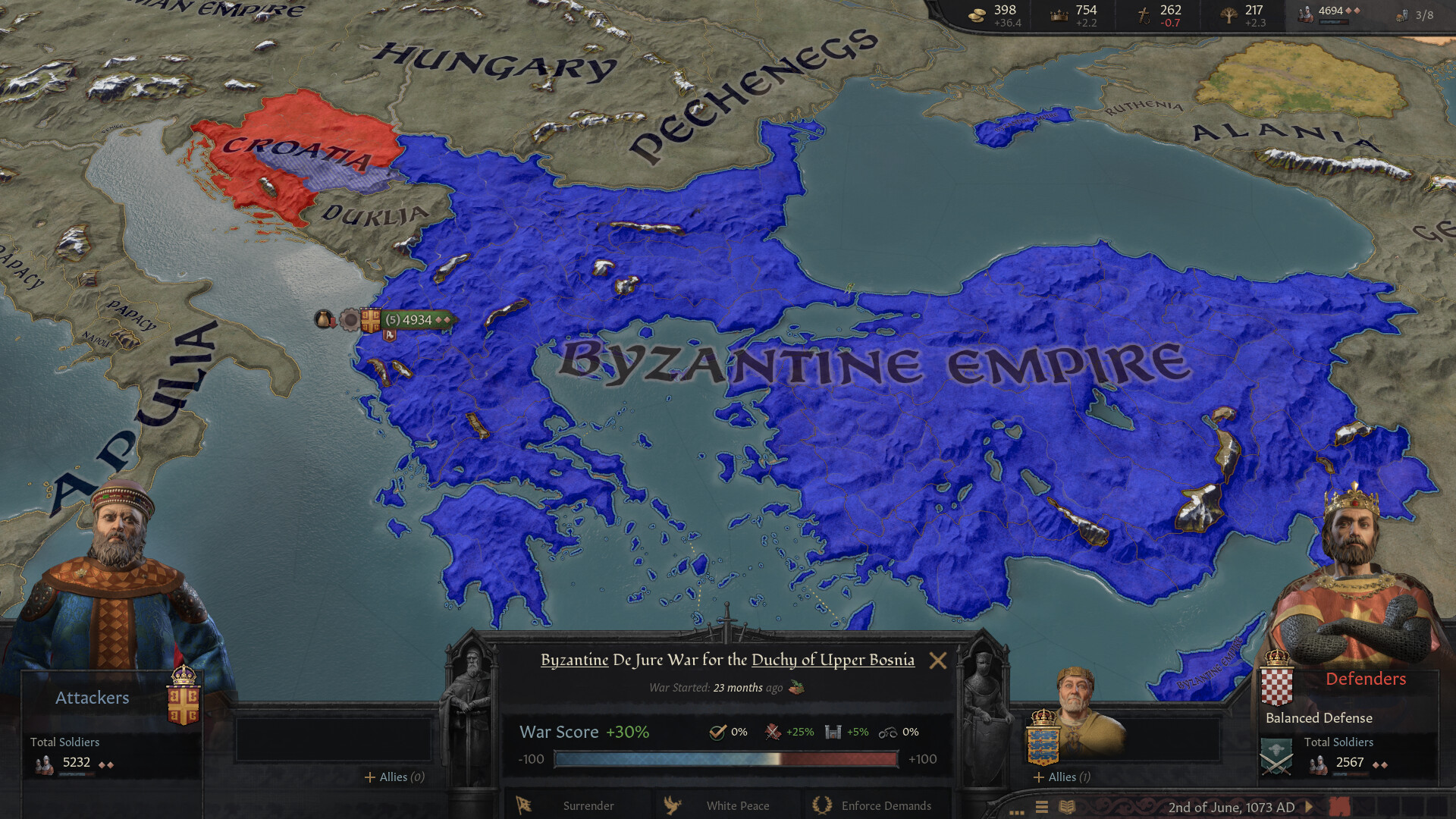
The key insight: Prestige is about your current ruler’s ability to act. It’s the fuel for your military and diplomatic actions. You want to keep it high so you can declare wars and hire men-at-arms when you need to.
Source: Paradox Interactive / Crusader Kings III official screenshots
Renown: The Dynasty Resource
Renown is your dynasty’s reputation. It’s earned through your dynasty’s achievements: your dynasty members holding titles, winning wars, and living long lives. It’s spent on:
- Legacy perks: the dynasty legacy tree, which gives permanent bonuses to your entire dynasty
- Disinheriting: removing a child from the succession line costs renown
- Renaming dynasty members: a minor but fun use
Renown is a long-term resource. It accumulates over generations and is shared across your entire dynasty. It’s the resource that makes your dynasty stronger over time, not just your current ruler.
The key insight: Renown is about your dynasty’s long-term growth. It’s the resource that makes your family stronger with each generation. You want to invest it in legacy perks that compound over time.
How to Earn Prestige
Prestige comes from being a successful ruler. The main sources:
- Winning wars: the bigger the war, the more prestige
- Holding events: feasts, hunts, tournaments, and grand weddings all give prestige
- Being a good ruler: high vassal opinion, successful schemes, and good decisions all contribute
- Your rank: kings and emperors earn more prestige passively than counts and dukes
The best way to earn prestige is to be active. Hold events, win wars, and make decisions that boost your reputation.

Source: Paradox Interactive / Crusader Kings III official screenshots
How to Earn Renown
Renown comes from your dynasty’s achievements. The main sources:
- Dynasty members holding titles: the more titles your dynasty holds, the more renown you earn
- Dynasty members winning wars: wars won by any dynasty member contribute
- Dynasty members living long lives: long reigns generate renown
- Legacy perks: some legacy perks boost renown gain
The best way to earn renown is to spread your dynasty. Marry your children into powerful families, grant titles to your dynasty members, and make sure your family is well-positioned across the map.
What to Spend Prestige On
Prestige is a resource you should be spending actively. The best uses:
- Men-at-arms: this is the most important use. A strong army is the foundation of your power.
- Wars: don’t be afraid to spend prestige on casus bellis. Wars are how you grow.
- Decisions: many decisions give powerful bonuses. If a decision costs prestige and gives a good bonus, take it.
The key is to keep your prestige high enough to act when you need to, but not to hoard it. A ruler with 10,000 prestige sitting idle is wasting potential.
What to Spend Renown On
Renown is a resource you should be investing for the long term. The best uses:
- Legacy perks: this is the most important use. The legacy tree gives permanent bonuses to your entire dynasty. Prioritize the perks that match your playstyle.
- Disinheriting: if you have a problematic heir, disinheriting them is worth the renown cost. It’s cheaper than dealing with a succession crisis.
The key is to invest renown in legacy perks early and consistently. The bonuses compound over generations, and a dynasty with a well-developed legacy tree is dramatically stronger than one without.
Prestige and renown are two sides of the same coin. One is your personal reputation, the other is your dynasty’s. Prestige is short-term and spent on actions. Renown is long-term and spent on growth.
The best players manage both: keep prestige high for military and diplomatic flexibility, and invest renown in legacy perks that make your dynasty stronger with every generation. Master both, and your dynasty will be unstoppable.