How to Keep Track of Your CK3 Dynasty (Before It All Falls Apart)
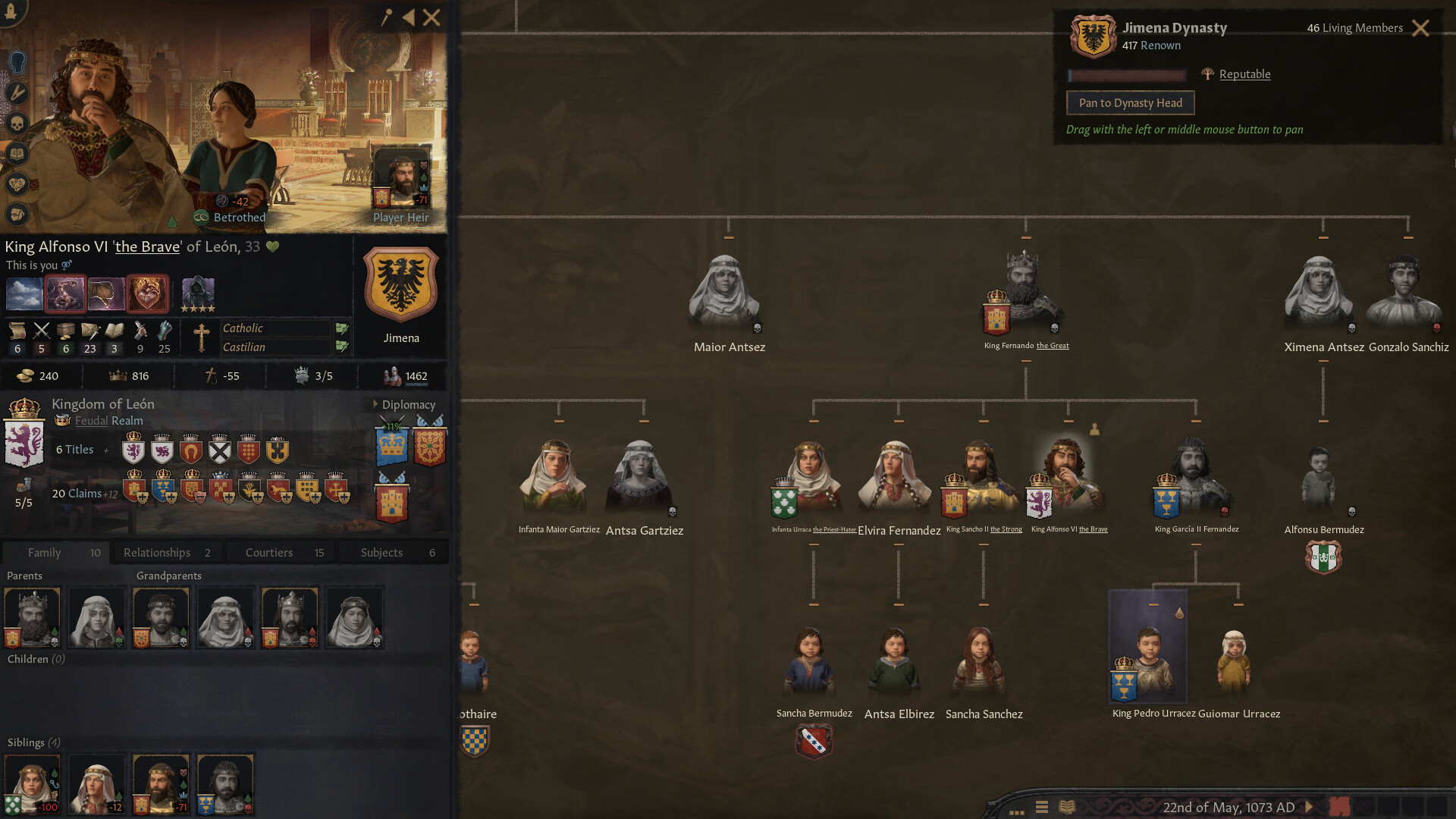
If you’ve played more than one real campaign of Crusader Kings III, you already know the problem. Your first ruler is easy to remember, you picked them, you know their story. By your third or fourth successor, you’re staring at a family tree with forty names on it, half of them with the same first name, and you genuinely cannot remember why you’re at war with the Kingdom of Aragon or which cousin you’re supposed to marry off next.
Source: Paradox Interactive, official Crusader Kings III Steam screenshot
CK3 doesn’t track any of this for you beyond the in-game family tree, which is great for seeing who’s related to who and useless for remembering why anything happened. Here’s how to actually stay on top of a long campaign. Tracking a campaign properly starts with knowing how succession reshapes your realm, which our succession laws guide and renown and prestige guide explain in detail.
Track succession before it happens, not after
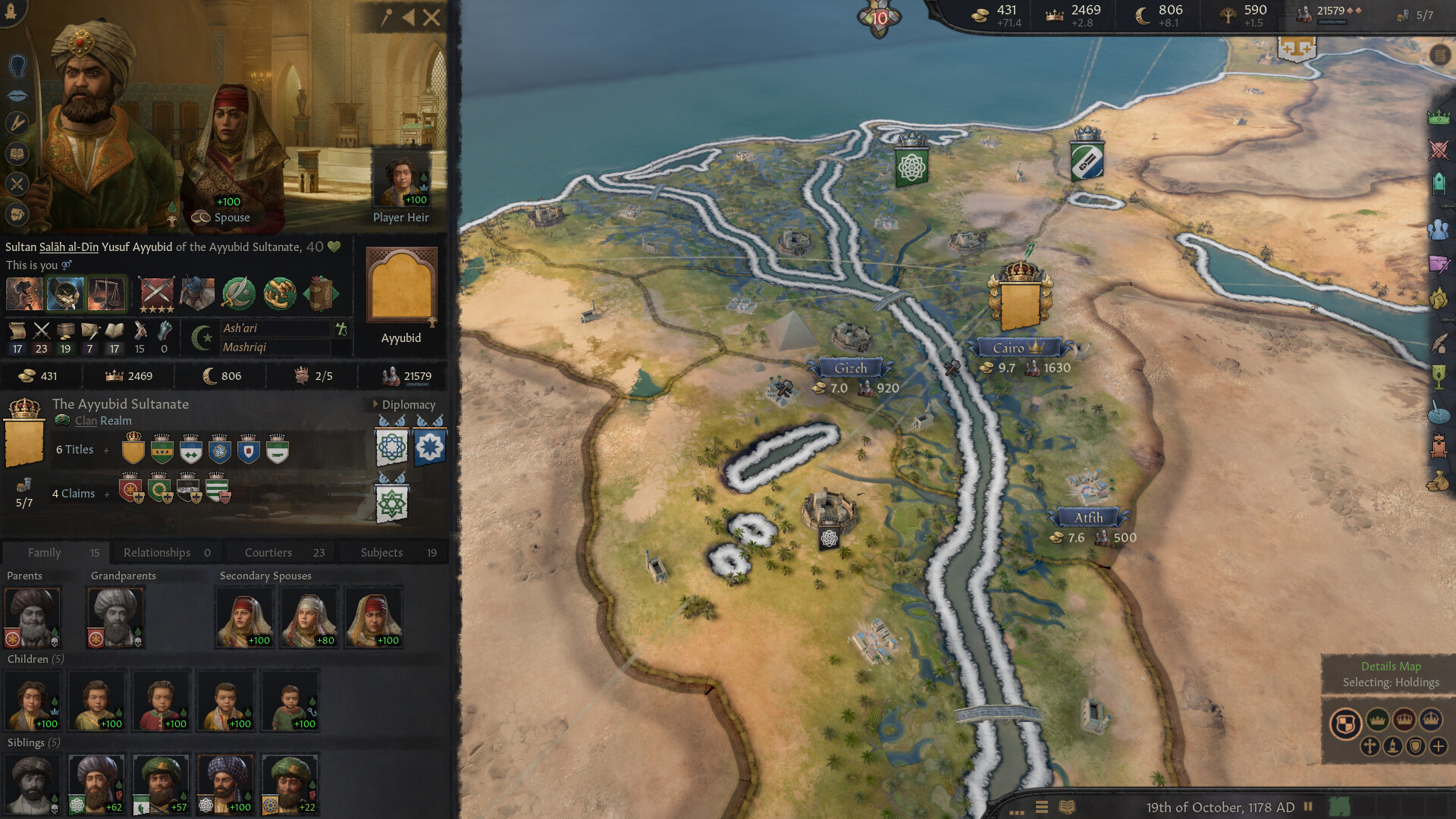
The biggest mistake new players make is only thinking about succession the moment their ruler dies. By then it’s too late to plan around it. Every time you get a new ruler, take two minutes to note:
- What succession law is currently active
- Who your likely heirs are, and their claim strength
- What you’d actually want to happen to your titles when this ruler dies
Source: Paradox Interactive, official Crusader Kings III Steam screenshot
This alone prevents the single most common CK3 disaster: your realm splitting into three pieces because you forgot you were under Confederate Partition.
Write down why wars happened, not just that they happened
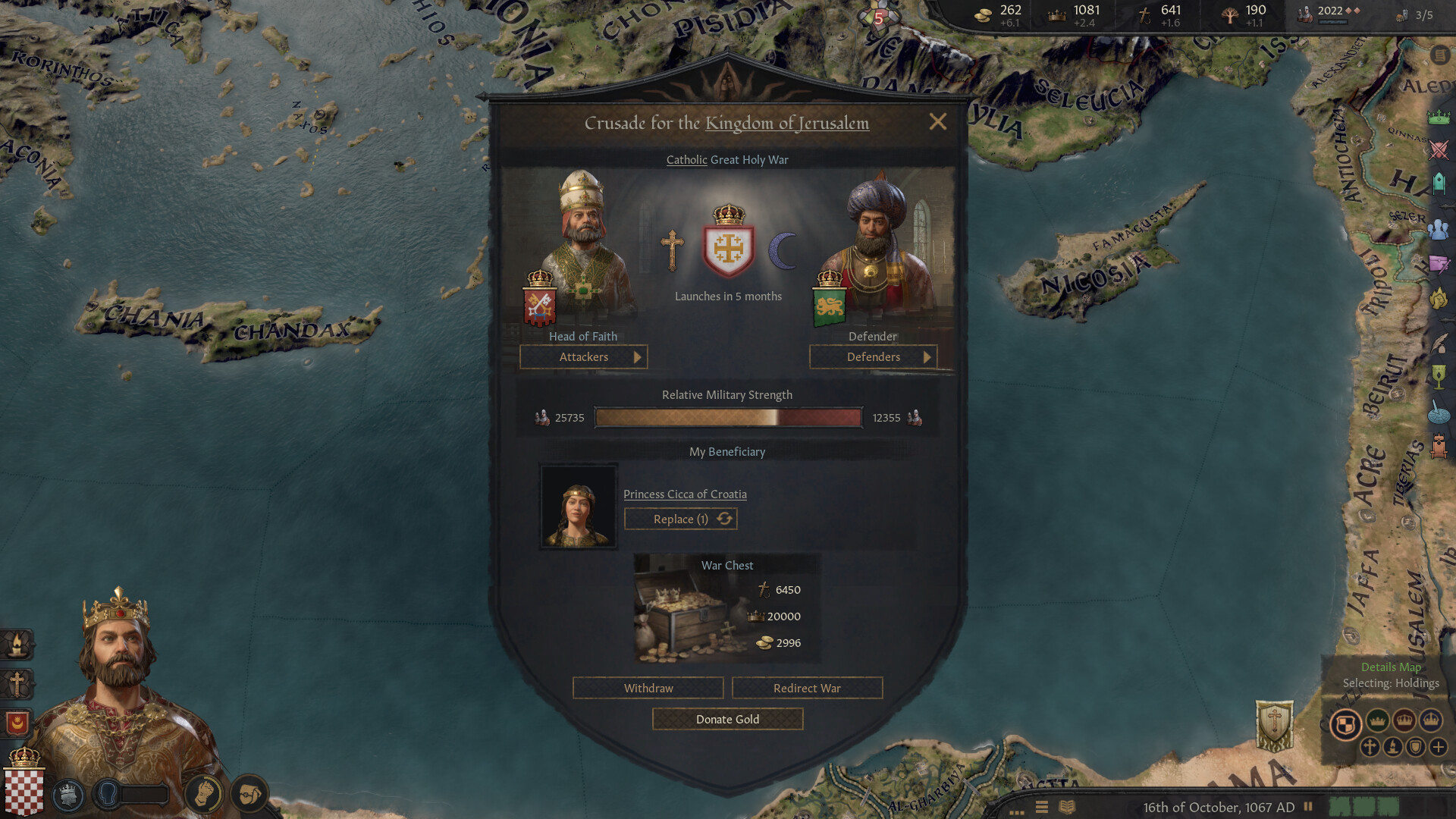
Six hours into a session, “I’m at war with Castile” means nothing without context. Was it a claim? An alliance obligation? Revenge for an insult? A throwaway note, even one line, saves you from re-litigating your own history later, and it’s honestly half the fun when you look back at a finished campaign.
Source: Paradox Interactive, official Crusader Kings III Steam screenshot
Separate “people I like” from “people I need”
CK3’s opinion system tracks numbers, but it doesn’t tell you why you should care about someone. Keep a short running list of the handful of characters who actually matter to your plans, potential spouses, rivals plotting against you, allies you’re relying on. Everyone else can stay as background noise.
Sketch your realm occasionally
The in-game map is great in the moment, but it doesn’t show you change over time. A rough sketch of your territory every generation or two is a genuinely satisfying way to watch your dynasty’s rise (or slow collapse) unfold.
If you want this as an actual physical system, not just a mental checklist
I built exactly this into a physical journal called Blood & Crown, a dynasty tracker designed for medieval strategy gamers. It has dedicated pages for reign logs, succession planning, relationships, realm maps, and milestones, organized so you can track a campaign across multiple rulers without losing the thread of why anything happened.
You don’t need it to use these tips, a notes app works fine too. But if you’ve ever wished CK3 came with a notebook, that’s what it is.